
Understanding the Psychological Traps in Gambling Decisions
The Illusion of Control
Many gamblers fall victim to the illusion of control, a cognitive bias where individuals believe they can influence outcomes that are actually random. This tendency often leads players to engage in specific rituals or behaviors that they think might enhance their chances of winning. For example, a player might insist on wearing a lucky shirt or following a certain routine before placing bets, thinking these actions somehow sway the odds in their favor.
This illusion becomes particularly pronounced in games that involve skill, such as poker or blackjack. Players may attribute their wins to skillful decision-making, overlooking the significant role that chance plays in these games. Consequently, the false sense of mastery can lead to a dangerous cycle where players repeatedly gamble, believing they can outsmart the house, despite the statistical reality.
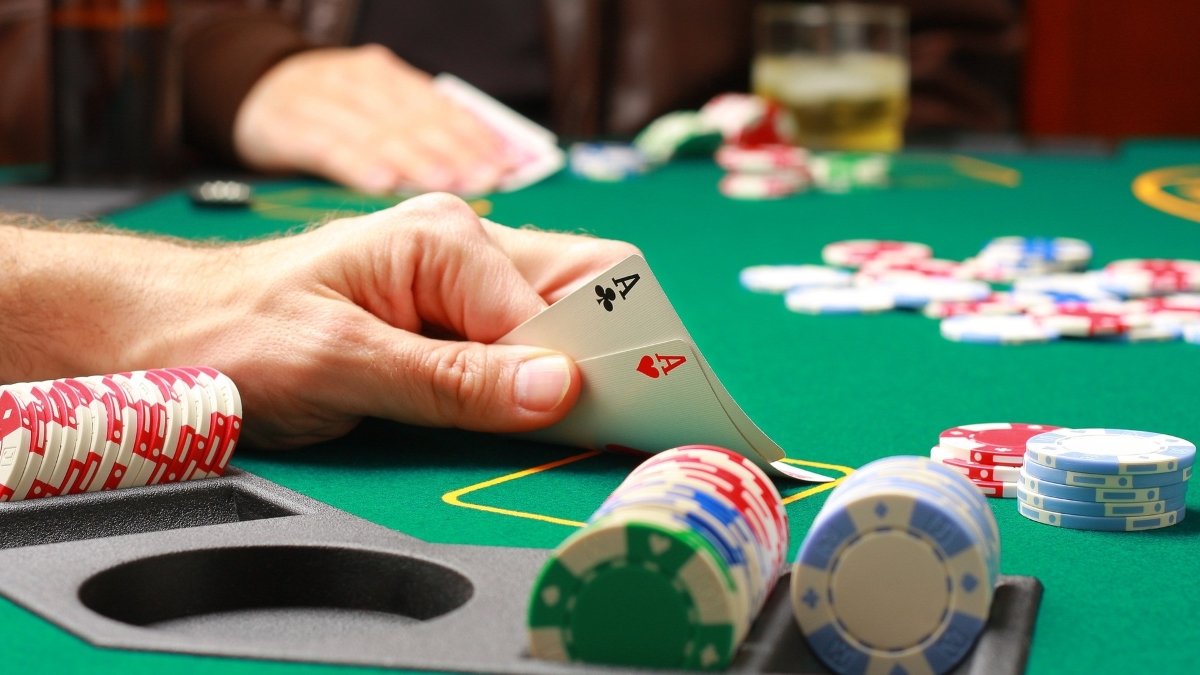
Ultimately, this psychological trap not only fosters reckless gambling behavior but can also result in significant financial losses. Players who believe they have control may increase their bets, risking more than they can afford, as they chase the next win that they incorrectly attribute to their skills rather than luck.
The Gambler’s Fallacy
The gambler’s fallacy is another common psychological trap that affects decision-making in gambling. This fallacy occurs when individuals believe that past events can influence the likelihood of future outcomes in random situations. For example, if a player observes a roulette wheel land on black several times in a row, they might erroneously believe that red is “due” to appear next. This misconception can lead to misguided betting strategies that ignore the fundamental nature of randomness.
Understanding the odds is crucial in gambling. Each spin of a slot machine or each roll of the dice is an independent event. Yet, the gambler’s fallacy can lead individuals to make emotional rather than logical decisions. This emotional decision-making often results in larger bets and greater risk-taking as players feel compelled to recover losses based on flawed reasoning.
In the long term, succumbing to the gambler’s fallacy can deplete a player’s bankroll significantly. Recognizing that each game is independent can help mitigate the risk of chasing losses, ultimately leading to more informed and responsible gambling practices.
Overconfidence and Risk-Taking
Overconfidence is a psychological trap that significantly influences gambling decisions. Gamblers often overestimate their abilities, particularly when they experience a string of wins. This can create a false sense of invincibility, prompting players to take larger risks than they would typically consider. For instance, a player who has won several bets in a row might decide to increase their wager, believing their winning streak will continue.
This overestimation of one’s abilities can be dangerous, leading to a cycle of high-stakes gambling that is hard to break. Players may find themselves in a position where they have bet more than they can afford, spurred on by a misplaced belief in their skill. This phenomenon often escalates, as players rationalize their decisions and ignore warning signs of their diminishing returns.
To combat overconfidence, gamblers need to practice self-awareness and establish clear limits before starting to play. Setting a budget and sticking to it can help mitigate the risks associated with overconfidence, ensuring that the gambling experience remains enjoyable rather than destructive.
The Availability Heuristic
The availability heuristic is a cognitive shortcut that influences how people assess the probabilities of events based on immediate examples that come to mind. In the context of gambling, players may remember big wins more vividly than losses, leading them to believe that such wins are more frequent than they actually are. This selective memory can skew decision-making, encouraging players to gamble more often in hopes of replicating those memorable wins.
This heuristic can create an illusion of favorable odds, causing players to ignore the reality of their overall gambling performance. They may forget the numerous times they lost, focusing instead on those few significant wins. As a result, players may become desensitized to losses, leading them to place increasingly risky bets based on a flawed perception of their chances of winning.
Awareness of the availability heuristic can help gamblers adjust their mindset. Keeping a journal to track wins and losses can provide a more accurate picture of their gambling habits, allowing them to make more rational decisions and reducing the likelihood of chasing after fleeting victories.
Exploring Glorion Casino Canada
provides an excellent platform for players interested in exploring a wide variety of games and betting options. With an extensive library of over 9,000 games, including slots and live casino options, players can experience high-quality gaming. The user-friendly interface and diverse payment methods make it easy for both novice and seasoned gamblers to navigate the site with ease.
The casino also offers attractive bonuses, including a generous welcome offer of 100% up to $750, which, alongside 200 free spins, enhances the overall gaming experience. Furthermore, the 24/7 customer support ensures that players have access to assistance whenever needed, making it a reliable choice for online gambling.
For those interested in responsible gambling, emphasizes fairness and provides tools for players to manage their gaming habits. With its commitment to offering a safe and enjoyable gambling environment, stands out as an excellent destination for those looking to understand the intricate dynamics of online gaming while being mindful of the psychological traps associated with gambling decisions.
Recent Comments